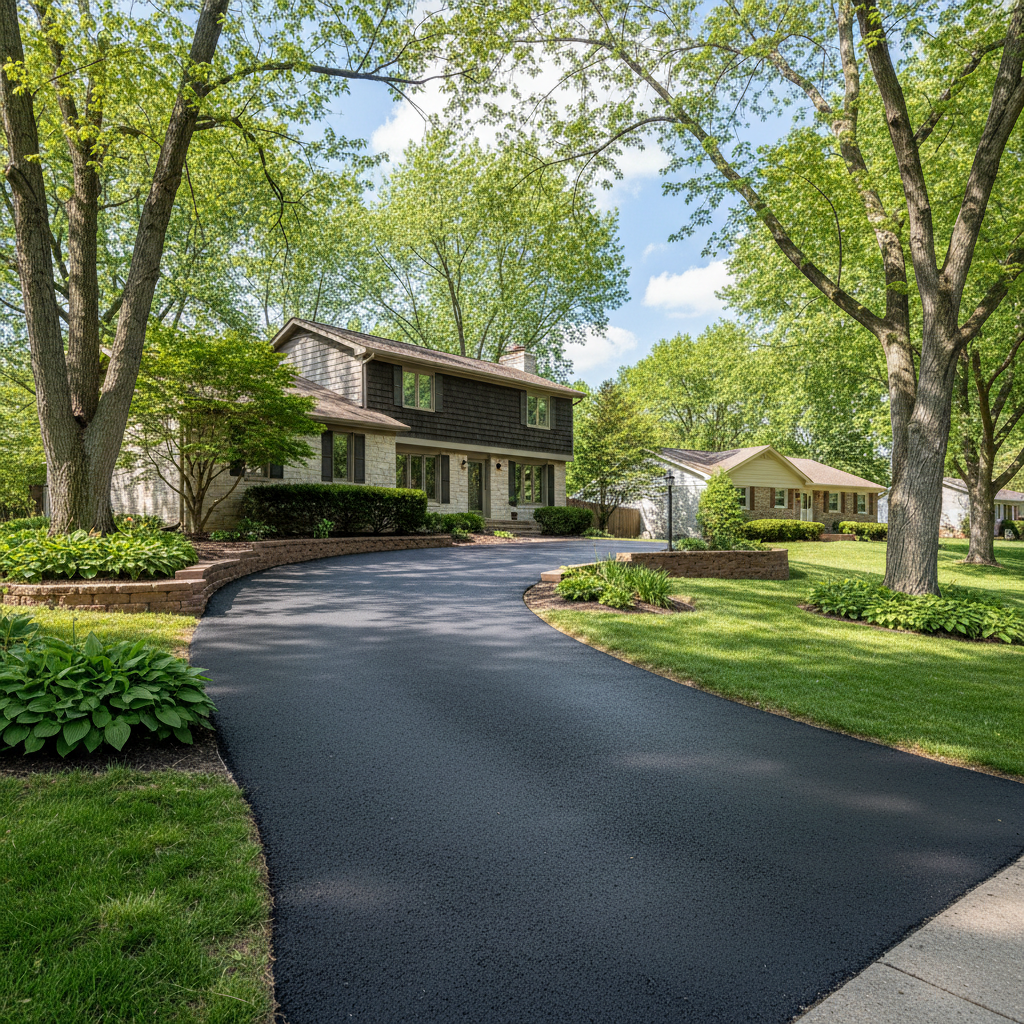
You're probably wondering when's the best time to get that new driveway or parking lot put in, or maybe just tackle some repairs. It's a common question, and honestly, the answer isn't just "summer." There's a bit more to it, especially with our Columbia, MO weather.
Timing Your Asphalt Project Right
Temperature is the biggest thing when it comes to asphalt work. We need consistent warmth so the asphalt can cure properly. That usually means we're looking at a sweet spot from late spring right through early fall. Think April/May through October. During these months, the ground isn't frozen, and the air temperature stays consistently above 50 degrees Fahrenheit. That's super important for the asphalt to compact correctly and form a strong, durable surface.
Trying to pave when it's too cold? The asphalt cools down way too fast, making it tough to get proper compaction. You just end up with a weaker surface that's more likely to crack and get potholes later on. It's truly not worth the headache for anyone. On the flip side, extreme heat, like those brutal 95-degree August days we get, can also be a challenge. It's doable, but it needs careful planning to keep the asphalt from getting too soft during its initial curing phase.
Weather Woes and Asphalt Work
Beyond temperature, rain is the other big one. You simply can't pave in the rain. The base needs to be dry, and the asphalt itself won't bond right if there's water around. Even a light drizzle can mess things up. That's why scheduling can sometimes feel like a dance with Mother Nature. We're always glued to the forecast. If we've got a project lined up and a big rainstorm rolls in, we'll have to reschedule. It's frustrating for everybody, sure, but it's always better to wait for dry conditions than to lay down a sub-par product, don't you think?
Another thing we deal with here in Mid-Missouri is the clay soil. If you live in an older neighborhood, say, near Stephens Lake, you know how much water that clay can hold. A good contractor will always make sure your sub-base is properly prepared and drained, especially with our freeze-thaw cycles. Water getting under your asphalt is a recipe for disaster once winter hits.
Protecting Your Investment Year-Round
Once your asphalt is down, your job isn't quite over. You've made a significant investment, and you want it to last. Here's what I tell all my clients:
- Sealcoating: This is basically your asphalt's sunscreen and raincoat. I recommend sealcoating about a year after we first install it, and then every 2-3 years after that. It protects against UV rays, water getting in, and even minor chemical spills. It keeps your asphalt looking fresh and really extends its life.
- Crack Filling: See a crack? Fill it. Don't wait around. Cracks are like open doors for water, and once water gets in and freezes, those cracks turn into potholes. It's a simple, pretty inexpensive fix that saves you big money later.
- Drainage: Make sure water isn't pooling on your driveway. If it is, that's a problem. Good drainage is key to preventing premature wear and tear. Sometimes it's an easy fix, other times it might need a bit more work, but it's always worth addressing.
- Cleanliness: Keep it clean. Sweep off dirt, leaves, and other debris. Don't let oil or gas spills just sit there; clean them up promptly. These things can break down your asphalt over time.
We've been doing this for a while at Apex Asphalt Solutions, and we've definitely seen what works and what doesn't in this climate. Don't hesitate to reach out if you have questions about your specific situation. We're here to help you get the most out of your asphalt.