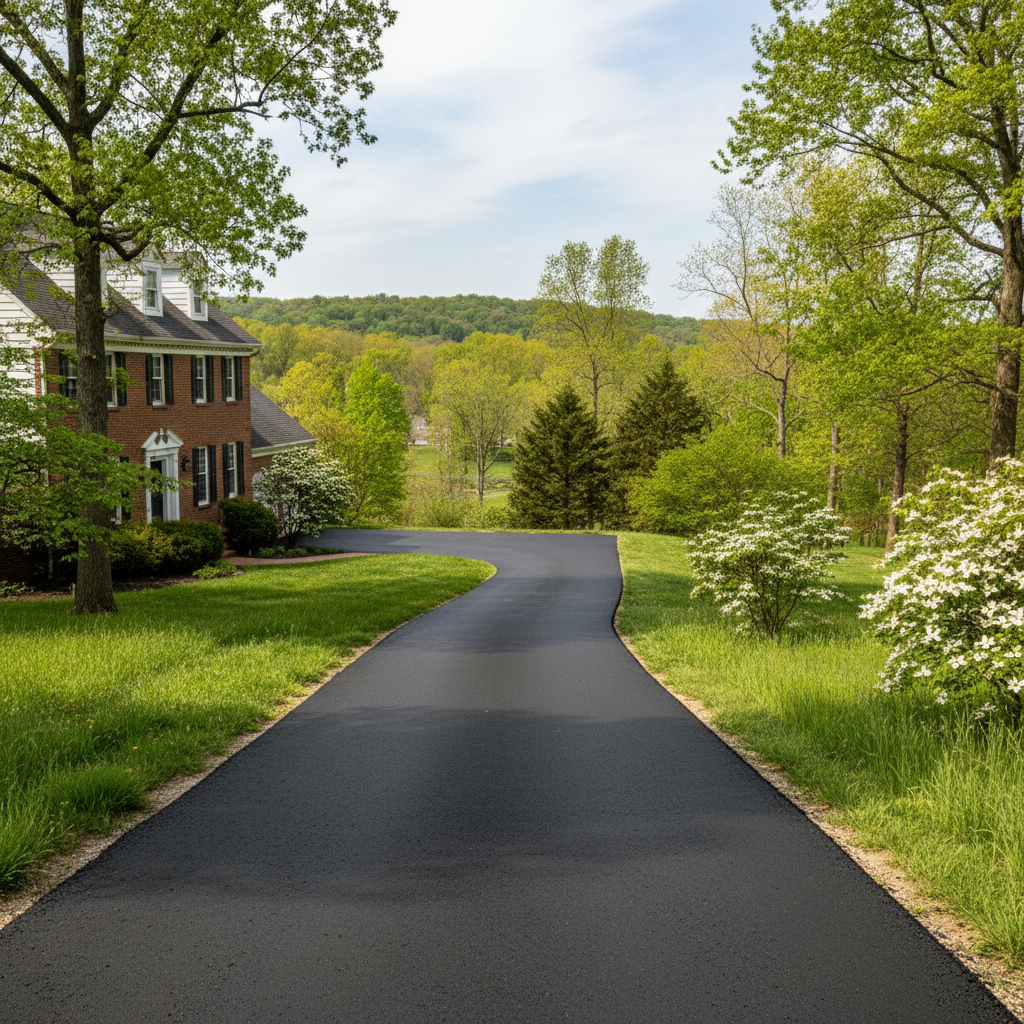
You've got a driveway, and you want it to last. That's a given. But here in Columbia, MO, our weather can be a real beast on asphalt. It's not just about getting the work done; it's about getting it done right, and a big part of that is timing. I've seen too many driveways fail prematurely because folks didn't understand how our local climate impacts asphalt work.
When's the Best Time for New Paving or Major Repairs?
Let's cut to the chase: spring and fall are your sweet spots for laying down new asphalt or doing significant repairs. Why? Temperature. Asphalt needs to be laid when it's warm enough for the material to be workable and to compact properly, but not so hot that it cures too quickly or becomes unstable. Think consistent temperatures between 50 and 80 degrees Fahrenheit. Here in Columbia, that usually means April through June, and then again September through October. We get those wild temperature swings, so you want to hit that sweet spot when it's not freezing at night and scorching during the day.
If you try to pave when it's too cold, the asphalt cools down too fast. It won't compact dense enough, and you'll end up with a weaker, more porous surface that's prone to cracking. Too hot, and the material can be too soft, making it hard to get a good, even finish, and it might even rut under heavy equipment before it's fully cured. We've seen projects rushed in the dead of summer or late winter, and they just don't hold up like they should.
What About Sealcoating and Crack Filling?
These maintenance tasks are just as critical, but they have slightly different timing requirements. For sealcoating, you need a stretch of dry weather, ideally with daytime temperatures consistently above 50 degrees Fahrenheit, and no rain in the forecast for at least 24-48 hours after application. This allows the sealant to cure properly. Here in Columbia, with our humid summers and sudden thunderstorms, planning this can be tricky. You might have a perfect 70-degree day, but if a pop-up storm is brewing over the Missouri River, you've got to reschedule.
Crack filling is a bit more forgiving with temperature, but still needs dry conditions. You can often get away with crack filling earlier in spring or later in fall than sealcoating, as long as the cracks are dry and clean. The main thing is to fill those cracks before water gets in, freezes, and expands, turning a small crack into a big pothole. That freeze-thaw cycle we get every winter around here, especially in neighborhoods like Old Southwest, is brutal on unsealed cracks.
Weather Conditions That Stop Work
There are a few non-negotiables when it comes to asphalt work:
- Rain: You simply can't pave, sealcoat, or even effectively fill cracks when it's raining or if the surface is wet. Water prevents proper adhesion and curing, leading to a weak, failed job.
- Extreme Cold: Below 40-45 degrees Fahrenheit, asphalt becomes too stiff to work with correctly, and it won't compact or cure as it should.
- Extreme Heat: While less common for stopping work entirely, temperatures consistently over 90 degrees can make laying new asphalt challenging, requiring adjustments to the mix and faster work to prevent premature cooling or instability.
- High Winds: For sealcoating, strong winds can cause the material to dry too fast or blow debris onto the wet surface, ruining the finish.
We keep a close eye on the forecast. Sometimes, it means pushing a job back a day or two, but it's always better to wait for the right conditions than to do a job that won't last. Your investment deserves that, doesn't it?
Year-Round Protection for Your Driveway
Beyond scheduling, here's how you protect your asphalt investment:
- Keep it Clean: Sweep off dirt, leaves, and debris regularly. This prevents organic matter from breaking down on the surface and retains moisture, which can accelerate deterioration.
- Address Spills Immediately: Oil, gas, and other automotive fluids are asphalt's enemy. They break down the binder that holds the aggregate together. Clean them up as soon as they happen.
- Manage Drainage: Make sure water drains off your driveway, not onto it or pooling on it. Proper grading is key, but if you see standing water, it's a problem.
- Avoid Heavy Loads: Don't park heavy RVs or construction equipment on your residential driveway for extended periods. It's not designed for that kind of weight.
- Regular Inspections: Walk your driveway a few times a year. Look for new cracks, soft spots, or areas where the aggregate is coming loose. Catching these issues early saves you money.
Think of your driveway like anything else you own that's exposed to the elements – it needs care. By understanding the best times for work and keeping up with maintenance, you'll extend its life significantly. If you've got questions about your specific driveway or need an assessment, don't hesitate to reach out to us at Apex Asphalt Solutions. We're always happy to talk asphalt.