Timing Your Asphalt Paving Project in Columbia, MO
You’re thinking about a new asphalt driveway, or maybe a sealcoat. Good call. But when's the best time to do it here in Columbia? It's not as simple as picking a random Saturday. Our Missouri weather, with its wild swings, plays a huge role in how long your asphalt lasts and how well it cures.
Generally, I tell folks to aim for spring or fall. Why? Asphalt needs consistent, moderate temperatures to set up right. Think 50 degrees Fahrenheit and climbing, ideally staying above freezing for a few days after the pour. Spring, usually from April through early June, is prime. The ground's thawed out, but it's not scorching hot yet. This allows the asphalt to cool and compact properly without setting too fast or too slow.
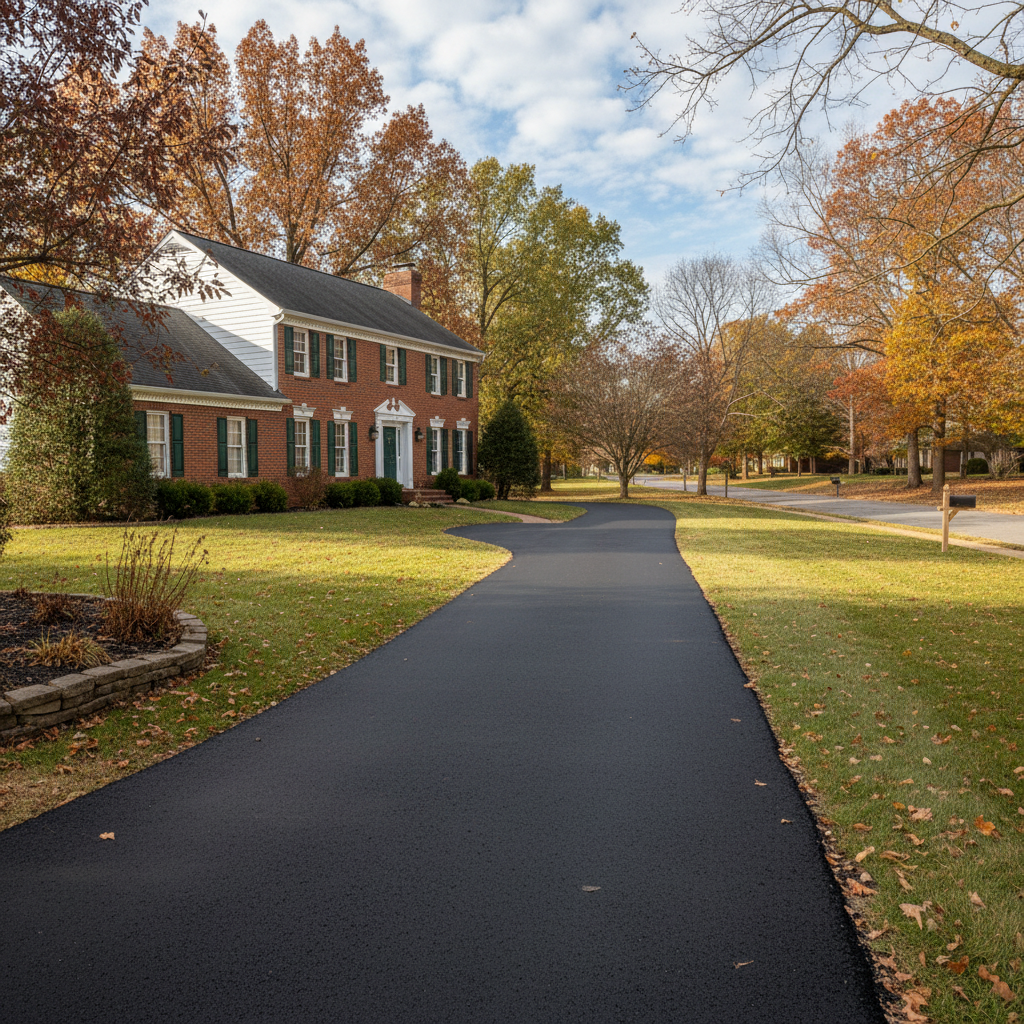
Fall, from September through October, is another sweet spot. The summer heat has baked out any lingering moisture, and the nights aren't freezing solid yet. You want to get the work done before those hard frosts start showing up regularly. Paving too late in the fall, when nighttime temps are consistently dipping below 40 degrees, can cause the asphalt to cool too quickly. That means it won't compact as well, and you could end up with a less dense, more brittle surface. Nobody wants that.
Summer paving? We can do it, but it’s trickier. If it’s 95 degrees and humid, the asphalt mix can be too hot, making it harder to work with and compact correctly. Plus, you don't want to be walking on fresh asphalt in that kind of heat – it stays soft longer. Winter? Forget about it. Paving in freezing temperatures is a recipe for disaster. The asphalt cools almost instantly, doesn't bond, and you'll have cracks and failures in no time. We just won't do it then, it's not worth your money or our reputation.
Weather Conditions That Affect Your Paving Day
Beyond just the season, the daily weather matters a lot. Rain, for instance, is a big no-go. You can’t pave over wet ground. The sub-base needs to be dry and stable. If it's raining, or if there's been heavy rain recently, we'll have to reschedule. Paving on a wet base leads to all sorts of problems down the line, like premature cracking and potholes, because the water gets trapped and can't drain properly.
Wind can also be an issue, especially for sealcoating. A strong breeze can make the sealcoat dry unevenly or even blow it onto places it shouldn’t be, like your neighbor's car or your house siding. We keep a close eye on the forecast, not just for temperature but for precipitation and wind too. It’s all about creating the best conditions for a long-lasting finish.
Humidity plays a role too. High humidity can slow down the curing process for sealcoats. It's not a deal-breaker like rain, but it's something we factor in. We want that sealcoat to dry evenly and completely to give you the best protection.
Protecting Your Asphalt Investment Year-Round
Once your new driveway is in, or your old one's been sealcoated, the work isn't over. You've got to protect that investment, especially with our Columbia climate.
- Sealcoating is Key: This is probably the most important thing you can do. Sealcoat every 2-3 years, depending on traffic and sun exposure. It protects against UV rays, water penetration, and even oil spills. Think of it like sunscreen for your driveway.
- Drainage Matters: Make sure water drains off your driveway, not onto it or pooling on it. If you've got standing water after a rain, that's a problem. Water is asphalt's worst enemy.
- Watch for Cracks: Even small cracks can let water in, and when that water freezes and expands (hello, Missouri winters!), it turns those small cracks into big potholes. Get cracks filled promptly.
- Clean It Up: Don't let oil or gas spills sit. They can break down the asphalt binder. Clean them up as soon as you can.
- Avoid Heavy Loads: Try not to park heavy equipment or RVs on your driveway for extended periods, especially in hot weather. It can cause depressions.
- Edge Protection: If you've got grass growing up to the edge of your driveway, trim it back. Roots can undermine the edges, and moisture from the grass can soften the asphalt.
Here in Columbia, we get everything from scorching summers to icy winters. That constant freeze-thaw cycle, especially with our clay-heavy soil, is tough on asphalt. Taking these steps can significantly extend the life of your driveway. At Apex Asphalt Solutions, we're not just about laying asphalt; we're about making sure it lasts for you. Give us a call when you're ready to talk about your project.