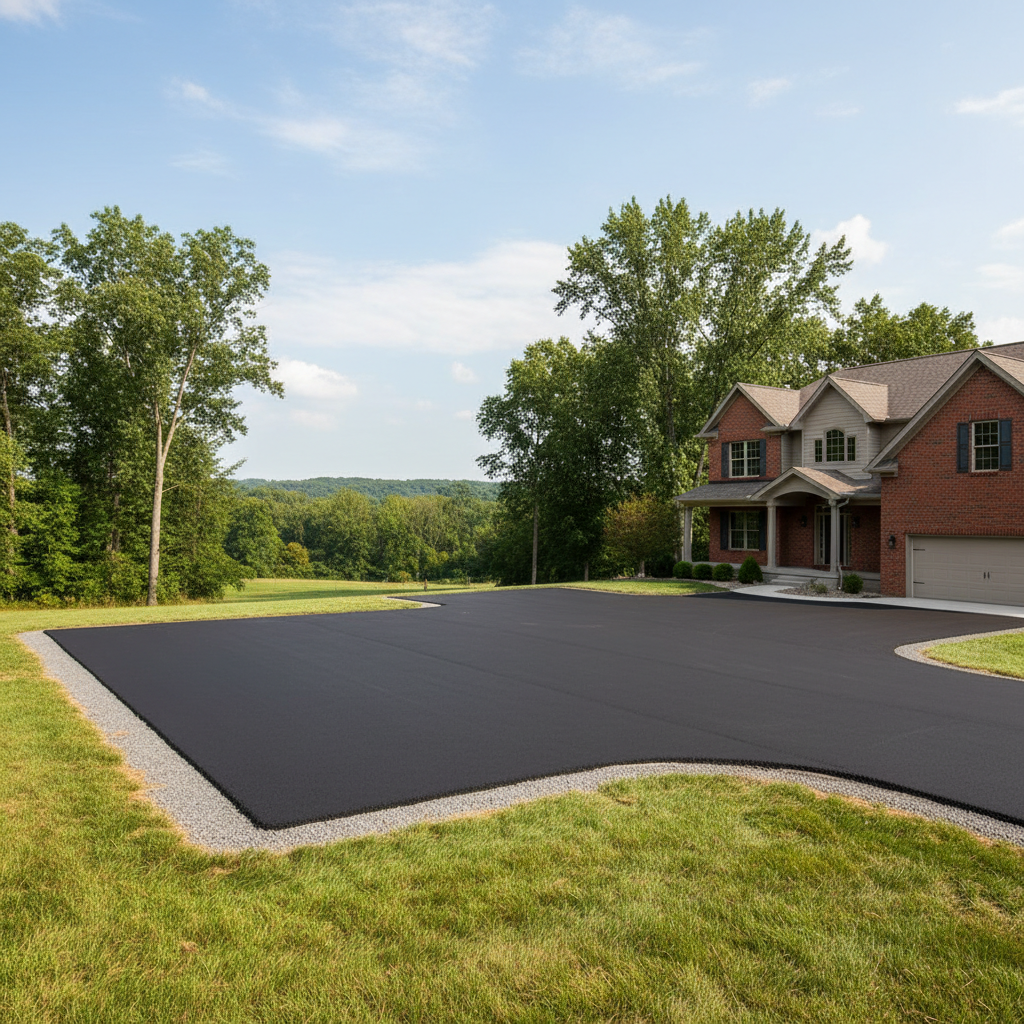
Alright, let's talk about commercial asphalt projects for a minute. I see a lot of folks here in Columbia, MO – especially business owners or property managers with multi-family units – get tripped up when they're trying to pave a parking lot or an access road. They often think it's just like paving a bigger driveway, and that's usually where the trouble starts. You've got different rules, different amounts of traffic, and honestly, different expectations. So, here are the biggest screw-ups I notice, and how you can avoid them.
Right from the Start: Ignoring Zoning and Permits
This is a huge one, and believe me, it'll get you every time. Residential driveways usually don't need much more than a nod from your HOA, if even that. Commercial projects? Forget about it. You're dealing with city zoning laws, stormwater management plans, ADA compliance, and sometimes even specific fire lane rules. I've personally watched projects grind to a halt because someone decided to pave a new parking area without checking with the City of Columbia's planning department first. They ended up tearing out perfectly good asphalt because it didn't meet setback requirements or didn't have the right drainage. You absolutely have to understand what permits you need and what codes you must follow *before* a single shovel even touches the dirt. Don't just assume your contractor will handle every bit of it; it's your property, so you need to be in the know.
Not Thinking Enough About Drainage
Columbia gets its fair share of rain, doesn't it? And when we're talking commercial asphalt, good drainage isn't just a suggestion – it's absolutely crucial. Homeowners often focus on the surface, but what's going on underneath and around the asphalt is just as important. If you don't have enough slope, proper catch basins, or a clear plan for where all that water will go, you're going to end up with standing water, cracks way too soon, and eventually, potholes that will definitely annoy your customers' cars. The clay soils we have around here, especially in spots like the Old Southwest, just don't drain well naturally. You need a contractor who really gets how to design a proper sub-base and drainage system for a commercial job, not someone who's just going to slap down some asphalt. Cutting corners here is a guaranteed ticket to expensive repairs down the road.
Forgetting to Mention Traffic Load and Usage
Here's a common blunder: you tell a contractor you need a parking lot, but you don't actually say what kind of traffic it's going to see. Is it just a few cars for a small office? Or are we talking about heavy delivery trucks, constant customer turnover, and maybe even some semi-trucks making deliveries to your warehouse? The thickness of the asphalt, the type of aggregate, and the base material all depend on how much traffic you expect. A parking lot built for light passenger vehicles won't stand up to daily heavy truck traffic. It'll crack, rut, and fail much faster than it should. Be super clear with your contractor about what the area will be used for; don't let them guess. A good contractor, like us at Apex Asphalt Solutions, will ask these questions, but you need to be ready with the answers.
Choosing a Contractor Just Because They're the Cheapest
Look, I totally get it. Everyone wants a good deal. But when it comes to commercial asphalt, the cheapest bid is very, very rarely the best value. I've seen property owners go with the lowest price only to find out the contractor skimped on the sub-base, used crummy materials, or didn't even have the right equipment for a commercial-grade job. Then, a couple of years later, they're calling me to fix a failing parking lot that should have lasted 15 or 20 years. Ask for references, check out their commercial project portfolio, and make sure they're properly insured and bonded for commercial work. A contractor who mostly does residential driveways might not have the expertise or the gear for a big parking lot or a commercial access road. You're putting a lot of money into this; make sure you're spending it smart.
Skipping a Detailed Contract and Warranty
This one might seem like a no-brainer, but people overlook it all the time. You absolutely need a written contract that clearly spells out the scope of work, what materials will be used (including how thick each layer will be), the timeline, the payment schedule, and – this is key – a warranty. What exactly does the warranty cover? How long does it last? What's excluded? Don't ever rely on just verbal agreements. If something goes wrong, that piece of paper is your protection. A reputable commercial asphalt contractor will give you a comprehensive contract and will stand behind their work with a solid warranty. If they start to hem and haw about putting things in writing, well, that's a huge red flag, isn't it?
Getting a commercial asphalt project done right involves more than just laying down blacktop. It takes careful planning, real understanding, and picking the right partner. Avoid these common mistakes, and you'll end up with a tough, functional asphalt surface that serves your business well for many years to come.