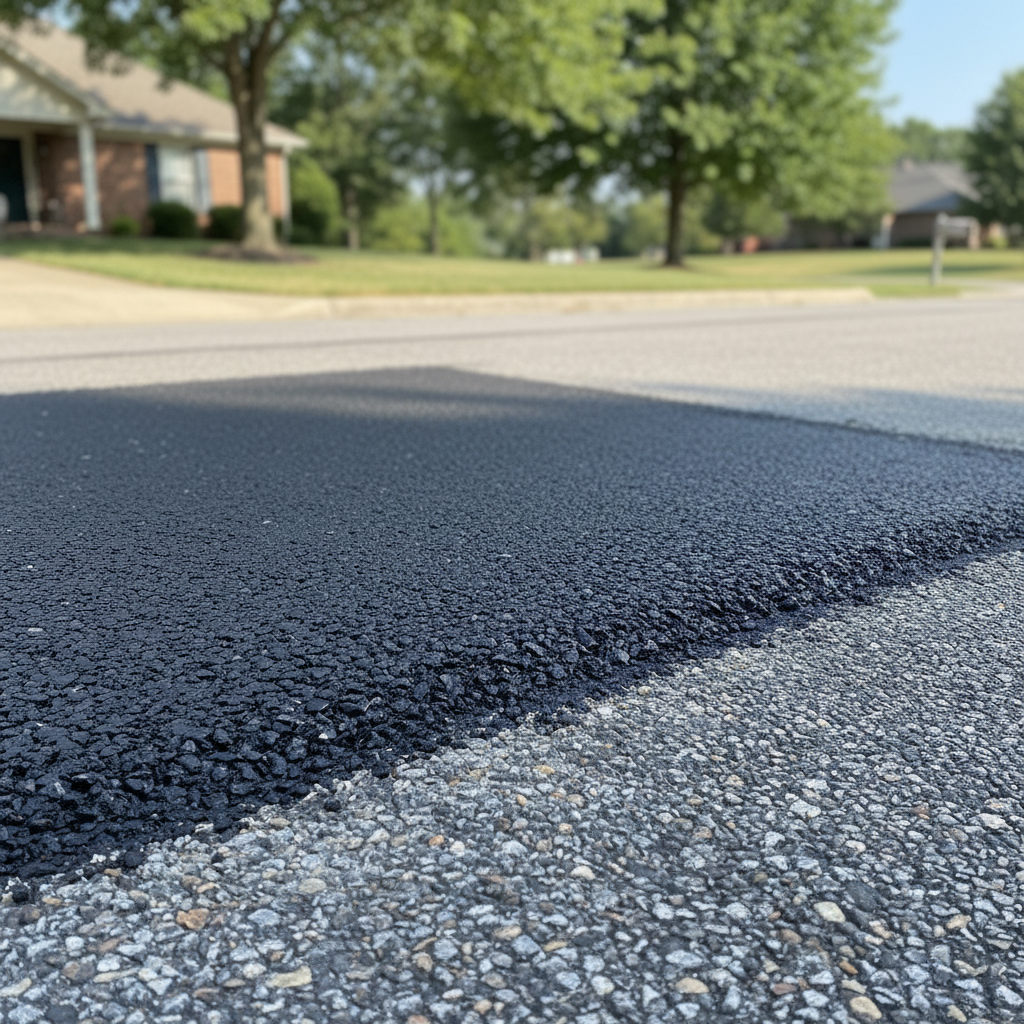
Your asphalt driveway really takes a beating, especially here in Columbia with our crazy freeze-thaw cycles. One day it's 50 degrees, the next it's 10, and that constant expansion and contraction really does a number on your pavement. Before you know it, you've got cracks spiderwebbing across the surface or, worse, a full-blown pothole that rattles your teeth every time you drive over it. What a pain!
So, what can you actually do yourself when your asphalt starts showing its age? And when should you just pick up the phone and call a professional like us at Apex Asphalt Solutions?
Spotting the Damage: What's What?
First off, let's talk about what kind of damage you might be looking at. Not all cracks are created equal, and neither are all potholes.
- Hairline Cracks: These are thin, usually less than a quarter-inch wide. They're often the first sign of trouble, popping up as the asphalt gets older or from minor stress.
- Alligator Cracking: This looks exactly like alligator skin – a network of interconnected cracks. It usually means there's a deeper structural issue with the base layer. This isn't just surface-level stuff, believe me.
- Linear Cracks: Long, straight cracks, often running along the edges of your driveway or where two sections of asphalt meet.
- Potholes: These are depressions or holes that go all the way through the asphalt layer, exposing the base material underneath. They usually start small and grow quickly, especially after a good rain or snowmelt.
DIY Repair: When You Can Tackle It
You can definitely handle some basic asphalt repairs yourself, especially if you catch them early. Think of it like patching a small hole in your wall – totally doable if you have the right stuff.
For Hairline and Small Linear Cracks:
You'll want a good quality liquid crack filler. You can find this at most hardware stores. Make sure the crack is clean and dry first. Use a wire brush to get any dirt or debris out, then blow it out with an air compressor or even a leaf blower. Once it's clean, just pour the filler into the crack. Some products come with a nozzle that makes it easy. Don't overfill it; you want it level with the surface. It'll cure in a few hours, depending on the product and the weather. This is a great way to stop water from getting into the sub-base, which is what really causes bigger problems down the line.
For Small Potholes (less than 4-6 inches across and not too deep):
This is where cold patch asphalt comes in. Again, you can get this at hardware stores in bags or buckets. The key here is preparation. You need to clean out the pothole thoroughly. Get rid of all loose debris, dirt, and water. You might even want to square off the edges of the pothole with a chisel and hammer to give the patch something solid to bond to. Once it's clean and dry, shovel the cold patch into the hole, slightly overfilling it. Then, compact it down. You can use a hand tamper, the back of a shovel, or even drive your car over it a few times (slowly!). The more you compact it, the better it will hold. This isn't a permanent fix, but it'll get you through a season or two and prevent the pothole from growing.
When to Call a Pro: Save Yourself the Headache
Look, I'm all for saving a buck where you can. But there are definitely times when trying to DIY an asphalt repair is just going to cost you more in the long run, or worse, create a safety hazard. This is especially true for us here in Columbia, where the clay soil can really mess with a poorly repaired base.
- Large Potholes or Deep Damage: If a pothole is bigger than a dinner plate, or if it's really deep and you can see the base material is completely gone, a cold patch isn't going to cut it. You need a hot mix asphalt repair, which requires specialized equipment and expertise to properly compact and bond with the existing pavement.
- Alligator Cracking: This is a red flag that your asphalt's base layer is failing. Patching the surface cracks is like putting a band-aid on a broken leg. You might slow it down, but you're not fixing the root cause. This usually requires removing the damaged section, repairing the base, and then laying new asphalt. That's a job for a pro.
- Extensive Cracking: If your entire driveway looks like a spiderweb, or if you have multiple long, deep cracks, you're probably looking at a resurfacing job or even a full replacement. Trying to fill every crack individually will be time-consuming, expensive in materials, and won't give you a lasting solution.
- Drainage Issues: If you've got standing water on your driveway after a rain, that's a serious problem. Water is the enemy of asphalt. Repairing drainage issues often involves regrading, which is definitely not a DIY project.
- Safety Concerns: If the damage is causing a tripping hazard or making it difficult to drive or walk safely, don't mess around. Get a professional opinion.
After the Repair: Keep an Eye On It
Whether you DIY a small patch or have us come out for a bigger job, keep an eye on your asphalt. Regular cleaning, like sweeping off leaves and dirt, helps. If you see new cracks forming or old repairs failing, address them quickly. And remember, sealcoating every few years is your best defense against the elements and will extend the life of your driveway significantly. It's like sunscreen for your asphalt, you know?
Don't let those small cracks turn into big problems. A little proactive maintenance goes a long way in keeping your driveway looking good and functional for years to come.