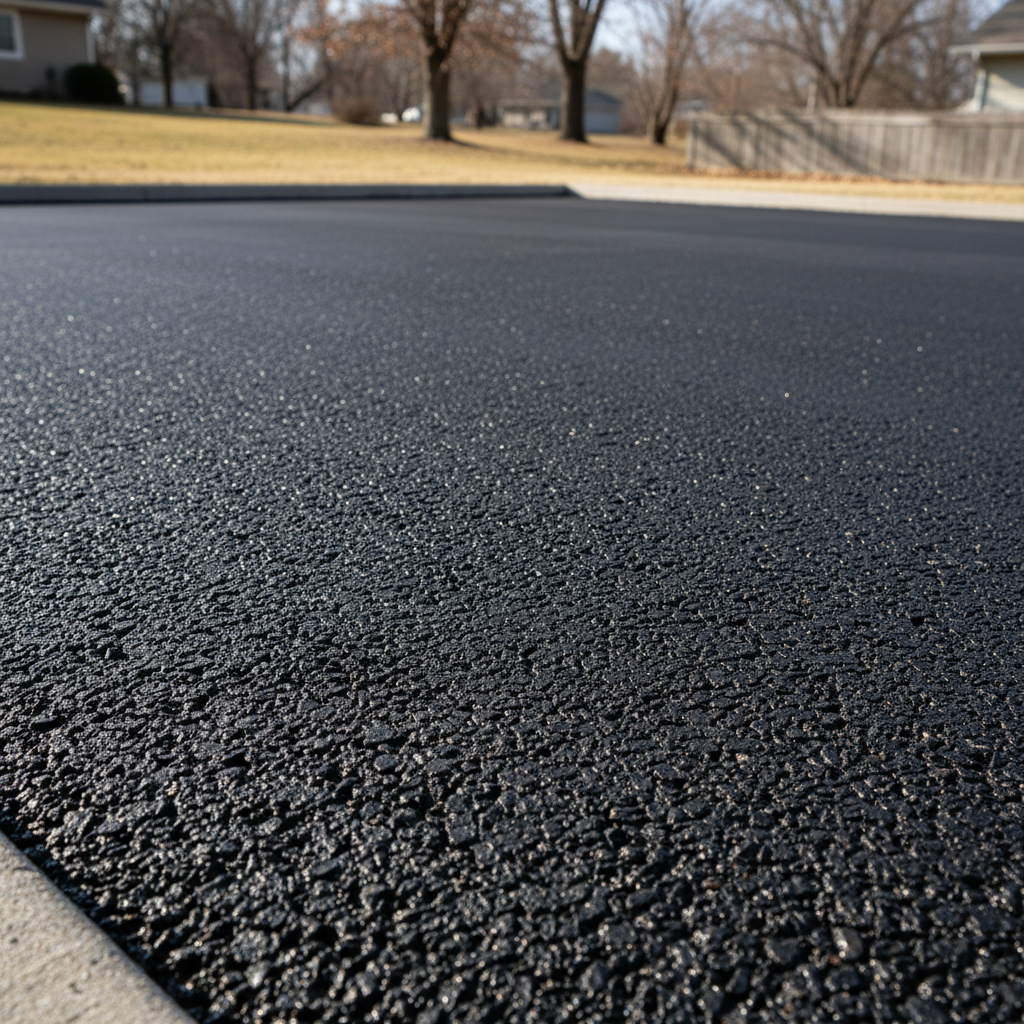
Thinking About a Home Parking Lot?
You've got a big property, maybe a few cars, or just want a cleaner, more durable surface than gravel for your home. A paved parking lot can be a real game-changer for curb appeal and functionality. But before you jump in, you need to know what you're getting into. It's not just about pouring some asphalt; there's a lot that goes into it, especially here in Columbia with our crazy freeze-thaw cycles and sometimes clay-heavy soil.
I've seen homeowners try to tackle this themselves and end up with a mess, and I've seen others make smart choices that last for decades. Let's break down what you need to consider.
Before the Shovel Hits the Dirt: Planning & Prep
This is where most DIY projects go sideways. A good parking lot starts with good planning. First off, think about drainage. Where's the water going to go when it rains? You don't want it pooling up against your foundation or running into your neighbor's yard. Proper grading is critical, and it's not always intuitive. You might need a slight slope, and that means understanding elevation changes across your property.
Next, consider the base. This is the unsung hero of any paved surface. You can't just lay asphalt on dirt, especially not on the expansive clay soils we often deal with around here, like in parts of the Old Southwest neighborhood. You need a solid, compacted aggregate base – usually crushed rock. This base distributes the weight and prevents cracking. If you skimp here, you'll be patching cracks and dealing with potholes much sooner than you'd like. Getting the right depth and compaction for this base is a pro-level job. You'll need heavy equipment, like a plate compactor, that most homeowners don't own or know how to operate effectively.
What about permits? For residential properties, a simple parking pad might not need one, but a larger lot could. It's always best to check with the City of Columbia's planning department. You don't want to get halfway through a project only to find out you're in violation of a local ordinance.
During the Project: Laying it Down
Okay, so you've got your drainage figured out, your base is ready, and permits are in hand. Now comes the actual paving. For homeowners, this is almost always where you call in the pros. Here's why:
- Equipment: Asphalt paving requires specialized, heavy machinery – pavers, rollers, skid steers. These aren't rental tools you pick up at Lowe's.
- Material: Hot mix asphalt needs to be laid and compacted while it's hot. It cools quickly, and if you don't work fast and efficiently, you'll end up with a lumpy, uneven surface that won't last. Getting the right temperature and consistency is an art and a science.
- Expertise: Knowing how thick to lay the asphalt, how many passes with the roller, and how to get a smooth, consistent finish takes years of experience. You're not just spreading black goo; you're building a durable surface.
Can you do a small, simple concrete pad yourself? Maybe. If it's just a small area for a trash can or a single car, and you're comfortable with concrete mixing, pouring, and finishing, it's possible. But for anything resembling a parking lot, asphalt or concrete, you're looking at a job for a company like Apex Asphalt Solutions. We've got the crew and the gear to do it right the first time.
After the Paving: Maintenance is Key
Once your new parking lot is down, your work isn't over. Proper maintenance will significantly extend its life. Here's what you can do:
- Keep it Clean: Sweep off dirt, leaves, and debris regularly. This prevents organic matter from breaking down on the surface and causing issues.
- Sealcoating: This is huge, especially in Missouri. Sealcoating every 2-3 years protects the asphalt from UV rays, water penetration, and chemicals like oil and gas. It's like sunscreen for your driveway. You can buy sealcoat at hardware stores and apply it yourself with a squeegee or roller for smaller areas. For larger lots, hiring a pro ensures even application and better protection.
- Crack Filling: Small cracks will appear over time. Fill them promptly! Water is asphalt's biggest enemy. When water gets into cracks and freezes, it expands, making the cracks bigger and eventually leading to potholes. You can buy crack filler at home improvement stores and apply it yourself. Just make sure the crack is clean and dry first.
- Address Spills: Clean up oil, gas, or other chemical spills immediately. They can degrade the asphalt over time.
A well-maintained parking lot not only looks good but also saves you money on major repairs down the line. It's an investment, and like any investment, it needs a little care to pay off.
So, while the initial thought of a new parking lot might seem like a big DIY project, the reality is that for anything beyond a tiny pad, you're generally better off bringing in the experts. You'll get a better, longer-lasting result, and you won't be buying a paver you'll only use once.