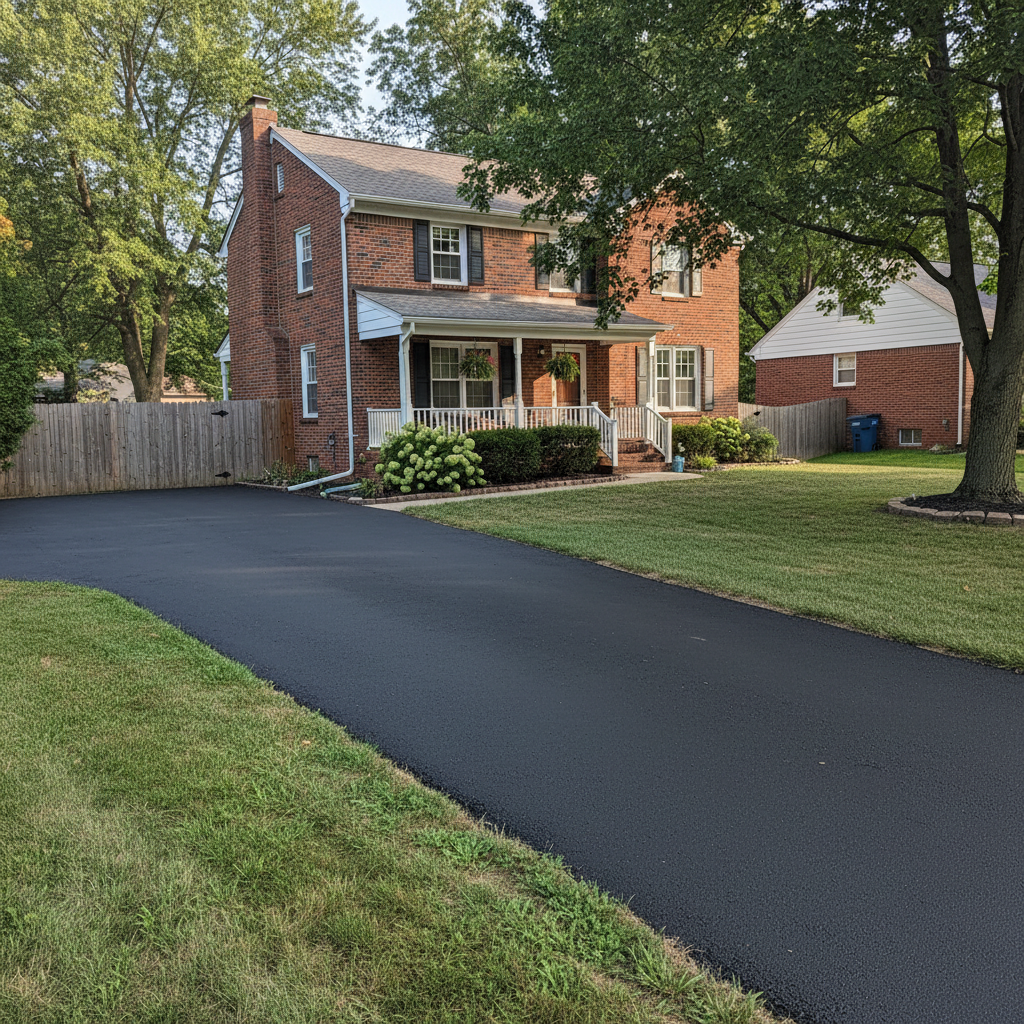
So, you finally got your asphalt driveway sealcoated. Smart move! It’s honestly one of the best ways to protect your investment, keeping that blacktop looking sharp and heading off expensive repairs later on. But just getting it done? That’s only half the battle. If you want that sealcoat to really last, you’ve got to show it a little love, you know?
Making Your Sealcoat Last Longer: What You Can Do
The biggest enemies of a fresh sealcoat, especially right here in Columbia, are traffic and Mother Nature. We get those brutal summer suns that just bake everything, and then the freeze-thaw cycles in winter can really mess with pavement. Here’s what I always tell folks:
- Give it time to dry: This part is absolutely critical. After Apex Asphalt Solutions finishes up, we’ll tell you exactly how long to stay off it. Usually, it’s 24-48 hours for people walking on it and 48-72 hours for cars. Don't rush it! Driving on it too soon is just like walking on wet paint – you’ll leave marks and mess up that protective layer.
- Steer clear of harsh chemicals: Oil, gas, antifreeze, and other car fluids are definitely not friends with sealcoat. They can soften it up and break down the material. If your car leaks, try parking it somewhere else or just put down a drip pan. If a spill happens, clean it up fast with some mild soap and water, then rinse it really well. Don't let it sit there.
- Keep it clean: Dirt, leaves, and other junk can hold moisture right against the surface, which isn't great. Plus, grit can act like sandpaper under tires, wearing down the sealcoat. A quick sweep or blow-off every now and then makes a huge difference.
- Watch your turns: Sharp turns, especially with power steering, can twist and scuff the sealcoat, particularly in the first few weeks after we put it down. Try to make wider turns when you’re pulling in and out of your driveway.
Regular Upkeep: Your Yearly Checklist
Think of your sealcoat like a good coat of paint on your house – you need to check on it regularly. You don't have to do much, but a little bit of attention really pays off.
- Look it over: Walk your driveway once a month or so, especially after a big storm or a long stretch of really bad weather. Just look for anything that seems off.
- Clean up spills right away: We already talked about this, but it’s worth saying again. Acting fast stops stains and damage.
- Deal with weeds: Weeds pushing through cracks can make them wider and damage the asphalt underneath. Pull them out by hand or use a targeted weed killer, but be careful not to get chemicals on the sealcoat itself.
These simple habits will seriously improve how long your sealcoat does its job.
Trouble Ahead: What to Keep an Eye Out For
Even with the best care, stuff happens. Knowing what to look for can help you catch small problems before they turn into big, expensive headaches.
- Fading or dullness: If your sealcoat starts looking gray instead of that deep black, it's losing its protective power. This is often the first sign it's time to think about putting another coat on.
- Small cracks coming back: Sealcoat fills those tiny hairline cracks. If you see those small cracks reappearing, or new ones forming, it means the sealcoat isn't really sealing things up anymore.
- Pitting or raveling: This happens when small pieces of aggregate (those little stones in the asphalt) start coming loose. It looks like tiny holes or a rough, sandy texture. This tells you the surface is falling apart.
- Oil or gas stains that just won't go away: If you’ve got stubborn stains that have eaten into the sealcoat, that spot is compromised and won't protect the asphalt below it.
- Water pooling: Now, this isn't directly a sealcoat problem, but if you notice new areas where water is always sitting on your driveway, it could mean a problem with the base layer or settling. You'll want to address that before it leads to bigger issues like alligator cracking.
When to Call a Professional
You don't need to be an asphalt expert – that's my job, after all. But knowing when to pick up the phone can save you a lot of grief. Here’s when you should definitely give us a call at Apex Asphalt Solutions:
- Widespread cracking: If you’re seeing a spiderweb pattern of cracks (what we call alligator cracking) or cracks wider than a quarter-inch, that’s way beyond just a sealcoat issue. Those need professional help to stop potholes from forming.
- Potholes showing up: This one’s a no-brainer. Potholes will only get bigger, especially with our Columbia winters. Get them fixed fast.
- Significant fading or wear: If your whole driveway just looks tired and gray, it’s probably time for another sealcoat application. Usually, this is every 2-3 years, but heavy traffic or harsh weather can shorten that lifespan. For instance, driveways in really busy spots like those near the Stadium District might need it more often than a quiet cul-de-sac in Old Southwest.
- Drainage problems: If water isn't running off properly or you're seeing standing water for long periods, that's a structural concern that needs an expert eye.
- Any damage you’re not sure about: Don't try to guess. If you see something that looks off and you’re not sure what to do, just call us. We’re happy to take a look and give you an honest opinion. It’s always better to ask than to let a small problem turn into a huge repair.
Taking care of your sealcoated driveway isn't rocket science, but it does need a little bit of attention. A well-maintained driveway not only looks fantastic but also saves you money in the long run by putting off those more extensive and costly repairs. Keep an eye on it, give it a little care, and it’ll serve you well for years to come.