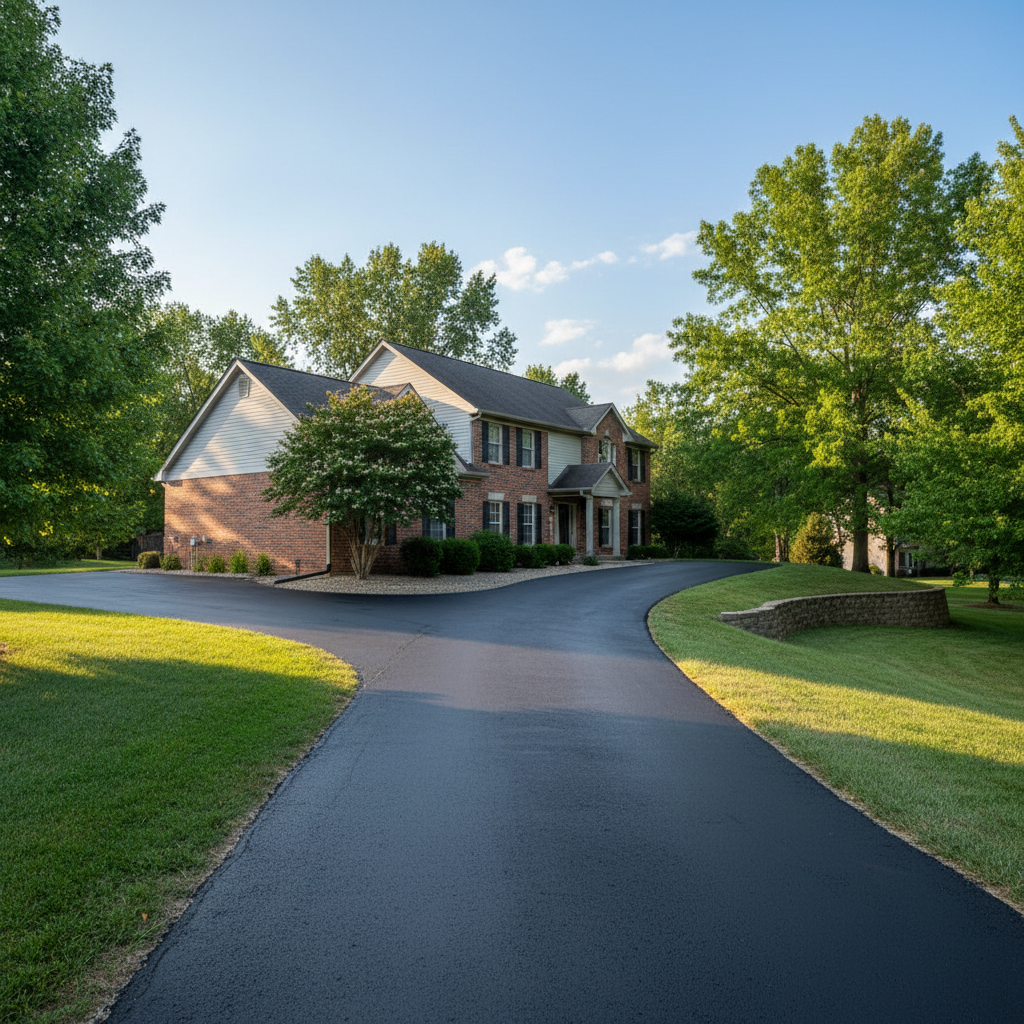
So, you're looking at your asphalt driveway and thinking it's time for some sealcoating. Good call, really. It's one of the smartest things you can do to protect your investment here in Columbia, especially with our wild temperature swings and those freeze-thaw cycles that can really beat up pavement. But before you jump in, you need a plan. Let's talk about what that looks like, shall we?
When's the Right Time to Get Started?
Timing is everything with sealcoating. You can't just do it any old day. Here in Central Missouri, we're usually looking at a window from late spring through early fall. You need consistent temperatures, ideally 50 degrees Fahrenheit and rising, and absolutely no rain in the forecast for at least 24-48 hours after we're done. That means May, June, July, August, and sometimes early September are your prime months. Trying to do it too early or too late in the season, when overnight temps dip, is just asking for trouble. The sealer won't cure right, and you'll end up with a mess or a job that just doesn't last.
And hey, don't wait until your driveway is falling apart, either. Sealcoating is preventative maintenance, plain and simple. If your asphalt already has deep cracks, potholes, or it's really unraveling, you might need repairs first, or even a full resurface, before sealcoating makes any sense. We'll always tell you straight what your driveway needs when we come out for an estimate.
What to Expect During the Sealcoating Process
Once you've got a contractor lined up and the weather's cooperating, here's a general idea of what'll happen:
- Cleaning: First, we'll get your driveway spotless. That means blowing off all the loose debris, sweeping, and often power washing to remove dirt, oil spots, and any other gunk. This step is super important for the sealer to bond properly.
- Crack Filling (if needed): If you have minor cracks (usually less than a quarter-inch wide), we'll fill those with a hot rubberized crack filler. This stops water from getting underneath your asphalt and causing bigger problems later on.
- Application: Then comes the sealcoat itself. We apply it evenly, usually in two coats, making sure there's enough drying time between each. We might do this by hand with squeegees or brushes, or use spray equipment; it really depends on the driveway's size and the type of sealer.
- Curing Time: This is where your patience comes in. You'll need to stay off the driveway completely for at least 24 hours, sometimes longer if it's humid or cooler. We'll put up barricades or tape to help remind everyone. Driving on it too soon will mess up the finish and shorten its lifespan.
It's not a super long process, usually a day or two for the actual work, but that curing time is non-negotiable.
How to Prepare Your Property
You've got a role to play too. Here's how you can help make the project go smoothly:
- Clear the Driveway: Move your cars, bikes, trash cans, basketball hoops, potted plants – anything on or near the asphalt needs to go.
- Trim Landscaping: If you have bushes, trees, or grass overhanging the driveway, trim them back. This helps us get a clean edge and keeps sealer off your plants.
- Turn Off Sprinklers: Make sure your automatic sprinklers are off for at least 24-48 hours before and after the job. We definitely don't want water messing with the drying process.
- Keep Pets and Kids Away: Sealcoat can be messy, and you don't want anyone tracking it into the house or getting it on themselves.
- Plan Your Parking: Figure out where you'll park your vehicles for a day or two. If you live in a neighborhood like Old Southwest, where street parking can be tight, plan ahead.
Key Questions to Ask Before Signing a Contract
Don't just pick the first name you see. Ask some pointed questions:
- What type of sealer do you use? There are different kinds out there. Make sure it's a high-quality, commercial-grade product made for our climate.
- How many coats do you apply? Two coats are standard and give the best protection.
- What's your process for crack filling and oil spot treatment? You want to know they aren't just going to seal over problems.
- What's your warranty or guarantee? A reputable company like Apex Asphalt Solutions will stand behind their work.
- Are you insured? This is non-negotiable, honestly. You don't want liability if something goes wrong.
- Can you provide references? Talking to previous customers can really give you peace of mind.
- How long will I need to stay off the driveway? Get a clear answer so you can plan.
Asking these questions helps you compare bids fairly and ensures you're hiring someone who knows what they're doing. A little planning goes a long way to getting a great-looking, long-lasting sealcoat job.