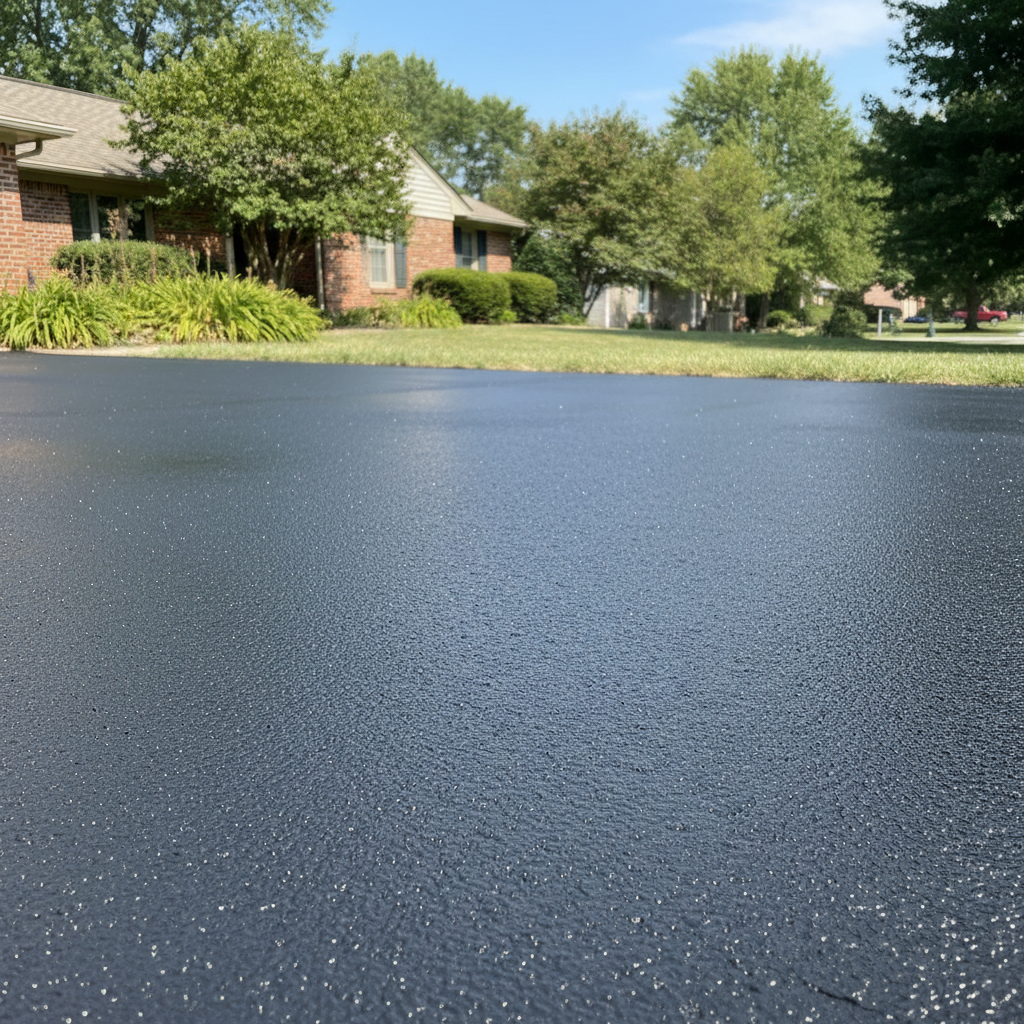
So, you've got an asphalt driveway, and maybe you're hearing about 'slurry coating' as a way to keep it looking good and lasting longer. Good for you for looking into it! It's a solid maintenance step, but there's a lot of confusion out there. As a local guy running Apex Asphalt Solutions, I get asked a lot of questions about this stuff. Let's clear some of that up.
What exactly is slurry coating and why do I need it?
Alright, let's break it down. Slurry coating, sometimes called sealcoating, is basically a protective layer we put over your existing asphalt. It's a mix of asphalt emulsion, water, mineral fillers, and some other additives. Think of it like sunscreen for your driveway. Over time, the sun's UV rays, rain, snow, and even oil spills really beat up your asphalt. They dry it out, make it brittle, and cause it to crack and fade. Slurry coating creates a fresh, black surface that seals those tiny cracks, prevents water penetration, and protects the underlying asphalt from further damage. It also gives your driveway a nice, uniform, dark appearance again. It's a preventative measure that extends the life of your pavement, saving you from much more expensive repairs down the road.
How long does a slurry coat last in Columbia's weather?
That's a big one, especially with our crazy Missouri weather. We get everything from scorching summers to icy winters, and plenty of freeze-thaw cycles. Generally, a good quality slurry coat, properly applied, should last you anywhere from 2 to 4 years. The exact lifespan depends on a few things: the quality of the product used, how well the surface was prepared, and the amount of traffic your driveway sees. If you've got a busy family with multiple cars coming and going all day, it might wear a bit faster than a single-car driveway. The key is consistent reapplication before it completely wears away. Don't wait until it's totally gone and your asphalt is exposed again.
When's the best time of year to get my driveway slurry coated here in Mid-Missouri?
Timing is crucial for a successful slurry coat. You can't just do it any old time. The ideal window for us here in Columbia is typically late spring, summer, and early fall. We need consistent temperatures of at least 50°F (and rising) for at least 24-48 hours after application. That's for both the air and the pavement itself. If it's too cold, the emulsion won't cure properly, and it won't bond to your asphalt. If it's going to rain shortly after, that's a no-go too. We need at least a full day of dry weather, preferably two, for it to set up. So, usually, May through October is prime time, avoiding those early spring cold snaps or late fall frosts.
Can slurry coating fix existing cracks and potholes?
This is a common misunderstanding. Slurry coating is a protective layer, not a repair solution for significant damage. Think of it like painting over a hole in your wall – it doesn't fix the hole, it just covers it up temporarily. If you have cracks wider than about a quarter-inch, or any potholes, those need to be repaired *before* we apply the slurry coat. We'll clean out the cracks, fill them with a hot rubberized crack filler, and patch any potholes. If we don't do that, the slurry coat will just crack right over the existing damage, and you'll be right back where you started. Good surface prep is half the battle.
How long do I need to stay off my driveway after it's been coated?
Patience is a virtue here! After we apply the slurry coat, it needs time to cure properly. We usually recommend staying off it for at least 24 to 48 hours. This means no driving, no parking, no walking on it with heavy shoes, and definitely no turning your steering wheel while stationary (that's called 'power steering scuffing' and it can really mess up a fresh coat). If it's a cooler, more humid day, it might take a bit longer to fully harden. We'll always give you specific instructions based on the conditions on the day we do the work. Don't rush it; you want it to last.
Is there anything I should do to prepare my driveway before you arrive?
Yes, absolutely! There are a few things you can do to help us out and ensure the best results. First, clear off any vehicles, trailers, or anything else that's parked on the driveway. We need a completely clear surface. Second, give it a good sweep or blow off any loose dirt, leaves, or debris. If there are any oil or grease stains, try to clean those up as best you can with a degreaser. We'll do a final cleaning, but getting the heavy stuff off helps. Also, make sure your sprinkler system isn't going to hit the driveway for a day or two before and after. We need it dry. Following these steps helps us get right to work and makes sure the slurry bonds perfectly.
Look, maintaining your asphalt driveway isn't rocket science, but it does take knowing what you're doing and using the right materials. If you're in Columbia, MO, and you've got more questions or want to get a quote, give us a call at Apex Asphalt Solutions. We're happy to come take a look.