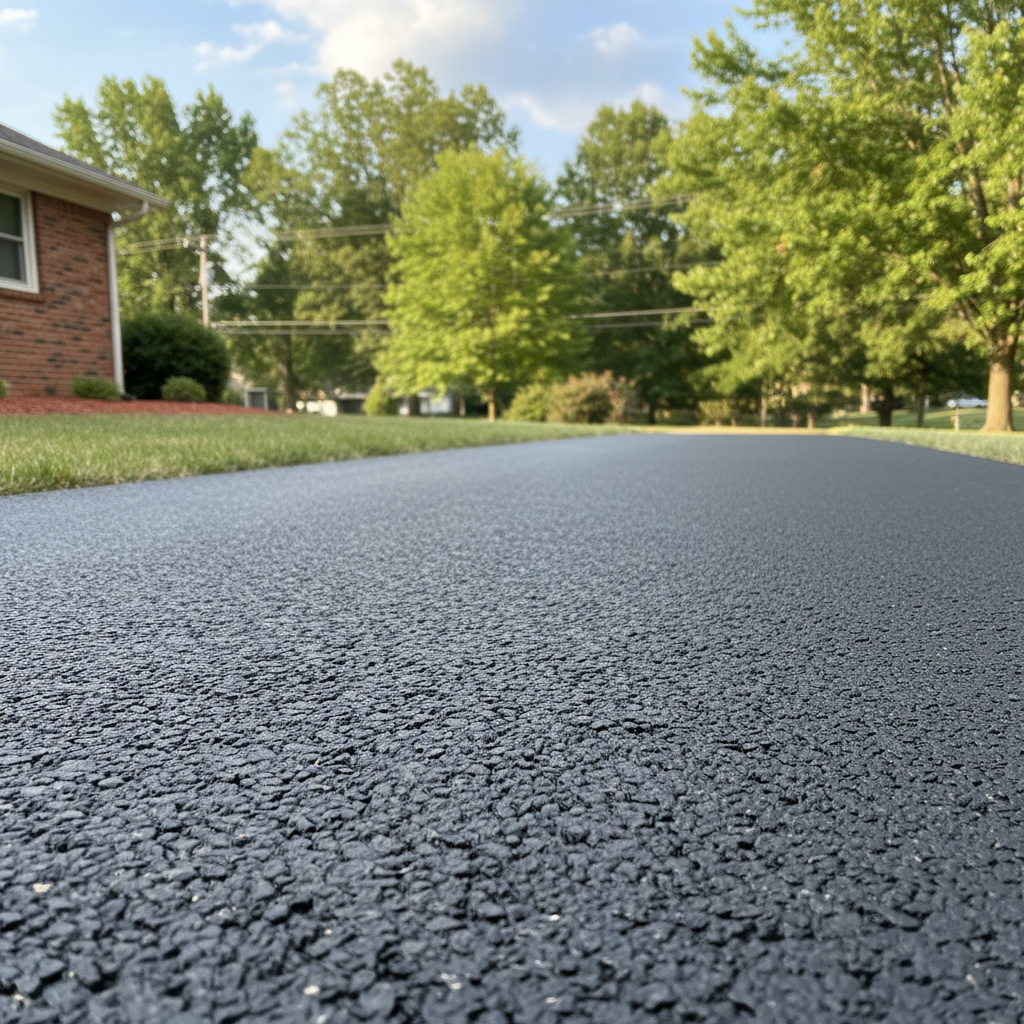
Alright, let's talk asphalt. I've been doing this a long time here in Columbia, and I hear the same questions pop up again and again. Folks want to know what's what, and they deserve straight answers, not some sales pitch. So, I figured I'd put together a little FAQ based on what you, the homeowners, are actually asking me. No fluff, just the facts.
How long does a new asphalt driveway really last in Columbia, MO?
That's a big one, and it's not a simple number. A well-installed asphalt driveway here in Columbia, with proper maintenance, can easily last 15 to 20 years, sometimes even longer. But that's the key: 'well-installed' and 'proper maintenance.' If the base wasn't prepped right, or if you're skipping sealcoating and ignoring cracks, you're going to shave years off that lifespan. Our freeze-thaw cycles here in Boone County are brutal on pavement, so keeping water out of those cracks is essential. Think of it like this: you wouldn't buy a new car and never change the oil, right? Same principle applies to your driveway.
What's the deal with drainage? My driveway always seems to have puddles.
Drainage is huge, and honestly, it's one of the most overlooked aspects of paving. Puddles mean water is sitting on your asphalt, and that's a recipe for premature deterioration. When we design and install a driveway, we're always thinking about the slope. You need enough of a pitch to direct water away from your house and off the pavement, usually towards a storm drain or a permeable area. If your driveway has standing water, it could be a few things: poor initial grading, settlement over time, or an issue with the surrounding landscape directing water back onto the surface. Sometimes it's a simple fix; other times it might mean regrading. It's something Apex Asphalt Solutions always pays close attention to during the planning phase.
Can I really drive on my new asphalt driveway the next day?
Technically, yes, you can, but I wouldn't recommend it for heavy vehicles. Asphalt needs time to cure and harden. While it's solid enough to walk on pretty quickly, it's still soft and pliable for a while. For cars, I usually tell folks to wait 2-3 days, especially if it's hot out. For heavier trucks or RVs, give it at least a week, maybe even longer if you can. Turning your wheels sharply in the same spot, especially when it's hot, can leave tire marks and indentations. Be gentle with it for the first few weeks, and try to vary where you park your car if you can. It'll help it set up stronger.
My asphalt is fading and looks gray. Is that normal, or is something wrong?
Totally normal. When asphalt is first laid, it's a deep, rich black. That's because the oils in the asphalt binder are fresh and on the surface. Over time, sunlight (UV rays) and oxidation cause those oils to dry out and the surface to lighten, turning it a dull gray. It's not necessarily a sign of structural failure, but it does mean the surface is becoming more brittle and less flexible. This is exactly why sealcoating is so important. It replenishes those oils, protects against UV, and brings back that nice black color. Think of it as sunscreen and moisturizer for your driveway.
What kind of base do you put down for a new driveway? Does it matter?
It absolutely matters, and anyone who tells you otherwise isn't doing it right. The base is the foundation of your driveway; it's what supports everything above it. Here in Columbia, with our clay soils, a good, stable base is non-negotiable. We typically use a compacted layer of crushed aggregate – think gravel and smaller stones – that's carefully graded and compacted. This layer provides stability, helps with drainage, and prevents the asphalt from sinking or cracking prematurely. If the base isn't thick enough, or if it's not properly compacted, you're going to have problems down the road, literally. It's like building a house on a shaky foundation.
My driveway has small cracks everywhere, like a spiderweb. What's that called, and how do I fix it?
That's what we call 'alligator cracking' or 'fatigue cracking.' It looks exactly like alligator skin, and it's usually a sign of a deeper issue. It means the asphalt has lost its flexibility and the base underneath is failing or not providing adequate support. Water gets into small cracks, freezes, expands, and then thaws, weakening the base further. Once you see widespread alligator cracking, patching individual cracks isn't going to cut it anymore. You're past the point of simple maintenance. At that stage, you're generally looking at either an asphalt overlay (if the base is still somewhat sound) or, more often, a full-depth replacement. It's a bigger job, but it's the only way to truly fix the underlying problem.
Is it better to get asphalt paving done in the spring or fall in Columbia?
Both spring and fall are generally good times for asphalt paving here in mid-Missouri. What you want to avoid are the extreme temperatures. Paving in the dead of summer when it's scorching hot can make the asphalt too soft and harder to compact correctly, leading to issues later. Paving in the freezing cold of winter is also a no-go because the asphalt cools too fast, making it difficult to achieve proper compaction and bonding. Spring offers moderate temperatures and usually less rain than early summer. Fall, after the peak heat has passed but before the hard freezes, is also excellent. The key is consistent, moderate temperatures during and immediately after installation to allow the asphalt to cure properly.